
Gamescom's Indie Area Just Had Its Best Year Ever
Over 420 indie companies at Gamescom 2026, up 16 percent from last year. The theme is "small teams, big successes." The indie scene is not dying. It is growing.
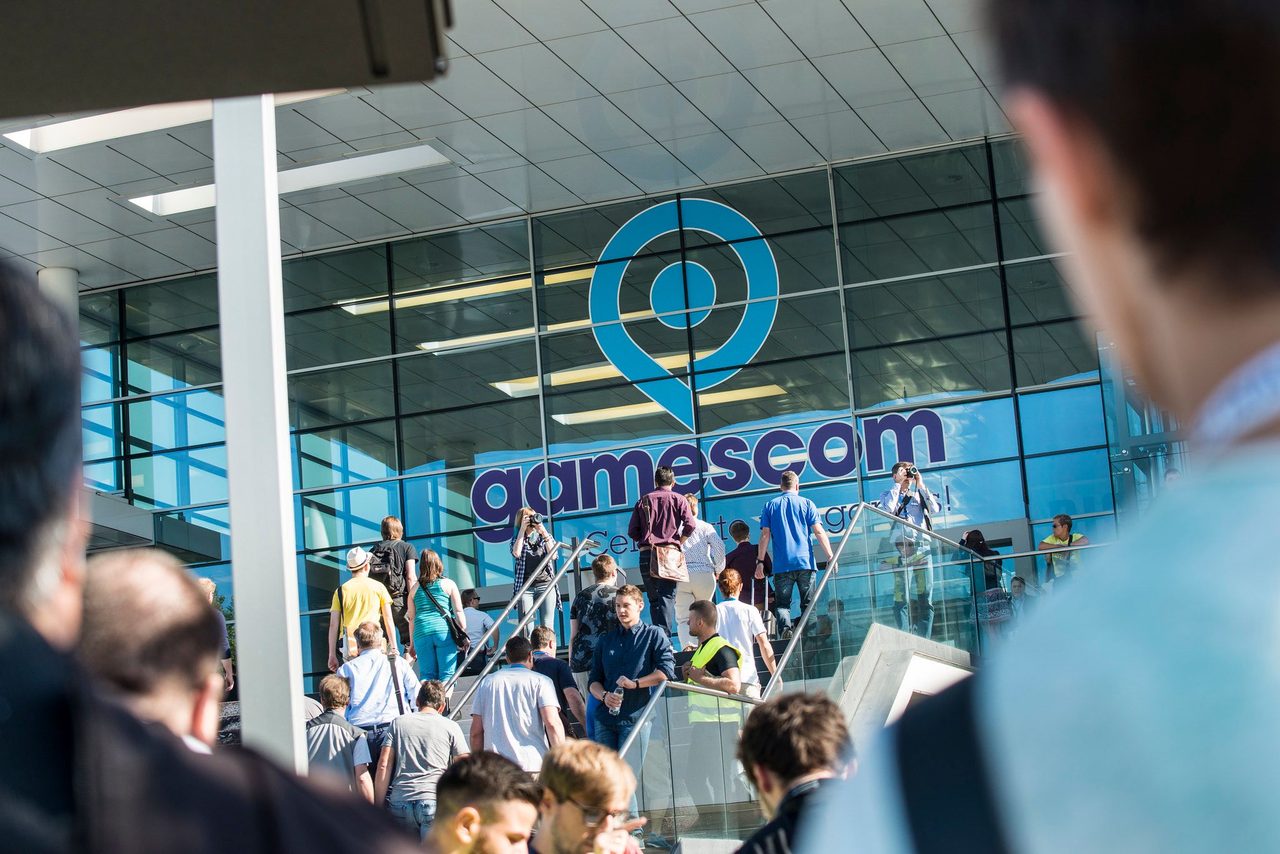
Gamescom 2026 opened in Cologne this week with a record that matters more than any AAA announcement. The indie area has grown to over 420 companies, up 16 percent from last year's 364. It is the largest indie presence in the show's history.
The theme this year is "Small teams, big successes." And the numbers suggest that is not just marketing copy.
The numbers
Gamescom 2026 is the biggest edition yet. Over 1,600 exhibitors from 67 countries. Exhibition space reached 233,000 square meters and sold out for the first time in the event's history. Forty-seven country pavilions, up from 40 last year. Five new countries joined: Bulgaria, Cyprus, Hungary, Morocco, and Nigeria.
The indie area's 16 percent growth outpaces the overall show growth. More than 420 independent studios are exhibiting, and the space dedicated to them has expanded accordingly. The German Games Industry Association reports that 17 million players in Germany alone play indie games, and 82 percent of them believe small teams creating quality work with modern technology is "admirable."
The gamescom dev conference, which runs before the main show, featured 230 sessions across 18 stages with over 380 speakers. AI-related sessions grew 45 percent year over year, with 32 sessions focused on game AI. But the indie track was equally prominent, with dedicated programming for small teams.
Who is showing
Some of the indie highlights at this year's show:
Tramraj (Spanish team Undercoders): A "tram action" game set in a Japanese dystopian world. Four gamescom Award nominations, the most of any indie title this year.
Solasta: Crown of the Magister studio The Game Bakers returned with a survival climbing game that earned Best Gameplay and Best Audio nominations.
Memoria Wake: A project that started as a university hobby by a team with almost no game development experience. They taught themselves Unity and ended up at gamescom's Indie Arena Booth.
Blood Ink and DEPERSON: Both received gamescom Award nominations for distinctive artistic vision.
Gamescom also partnered with IGN to produce the "gamescom awesome indies show," a dedicated online broadcast featuring indie trailers, gameplay demos, and developer stories. This is the first time the show has created a digital platform specifically to amplify indie visibility alongside the physical indie area.
The honest picture
It is tempting to read these numbers as proof that the indie scene is thriving. And in some ways it is. More studios are exhibiting. More players are playing indie games. More tools are available to small teams than ever before.
But gamescom head Tim Endres offered a reality check in an interview with Wccftech. The indie area is growing, but the vast majority of exhibition floor space is still occupied by large publishers with big budgets. The visual dominance of AAA booths has not changed. Indie studios are getting more attention, but they are still a small fraction of the physical footprint.
AI is also reshaping what "small team" means. Tools that once required a team of ten can now be handled by two or three people. That is empowering for some studios and threatening for others. The definition of "indie" is getting fuzzier as production capabilities shift.
Why this matters for InTheIndie readers
The indie area at gamescom is a barometer for the health of independent game development. A 16 percent year-over-year growth during a period of industry-wide layoffs and studio closures is a genuinely positive signal.
The "small teams, big successes" theme is not just aspirational. It reflects a real shift in how games are being made. Studios that can ship quality titles with lean teams are finding audiences. The tools are better. The distribution channels are more open. The player appetite for something different from the AAA formula is real.
Gamescom 2026 is not proof that every indie studio will succeed. It is proof that the space for indie games at the industry's biggest event is growing, not shrinking. For studios looking to exhibit next year, the message is clear: the door is open, and it is getting wider.