
Early Access Lost Its Meaning. Valheim Found It.
Pocketpair's publishing lead says Early Access has lost its meaning. Valheim left it September 9, 2026, after five years. Wardogs entered it to Mixed reviews.
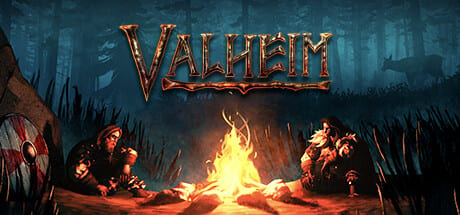
Early Access is not broken. The shared understanding of what it means is. On September 9, 2026, Valheim left Early Access after five years and seven months and was greeted as a masterpiece. On September 10, 2026, Wardogs entered Early Access at $39.99 and opened to "Mixed." Both studios told players the truth about what they were buying. Only one of them was believed.
Valheim kept its side of the bargain
Iron Gate AB put Valheim into Early Access on February 2, 2021, published by Coffee Stain. Ask the store page how long Early Access would last and the answer, written years before release, was two words: "We don't know." That may be the most honest sentence in the program's history, and it turned out to be true. Valheim shipped version 1.0 on September 9, 2026, with the Deep North as its eighth and final biome, more than 40 new weapons, close to double the boss count, and new trinket and magic systems. The update was free for everyone who had bought in during those five years, and it arrived the same day as new PlayStation 5 and Switch 2 versions with crossplay across every platform. IGN scored the finished game 10 out of 10 on September 8, 2026. Players answered with a 24-hour peak of 168,093 concurrent, against a monthly peak of 31,005 in August 2026, a jump of roughly 442 percent. As of September 11, 2026, Valheim holds 461,361 Steam reviews at 94.2 percent positive. Iron Gate also said there would be a price increase for 1.0, and the game now costs $29.99. Nobody who followed that studio for five and a half years can claim they were misled.
Pocketpair's publishing lead says the deal collapsed
John Buckley, communications and publishing lead at Pocketpair, the studio behind Palworld, said on September 10, 2026 that Steam Early Access is losing its original meaning. Some players, he argued, buy an Early Access title the way they would buy a finished game, and treat an incomplete build as the complete work. In the years after Steam Greenlight gave way to Early Access, buyers understood they were getting a game in development. They filed feedback, they talked to the people making it, and they expected gaps. Buckley does not believe that understanding is universal any more. He traces the change to habits imported from hyper-casual mobile and live-service games: Palworld players buy in, play hard for a week or two, then conclude the game has been abandoned when new content does not arrive on that schedule. He is careful not to blame them for wanting a finished product, and Pocketpair still intends to use Early Access for future projects. Its response is procedural. The studio now separates content updates from optimization updates and publishes the interval between them in advance, so the expectation is set before the disappointment is.
Wardogs did everything right and still landed on Mixed
Then Wardogs happened. BULKHEAD published a video called "10 Reasons Not to Buy Wardogs" before its August 2026 beta, listing thin content, frame rates that might not hold, hour-long matches, and controller support that was not finished. It has promised no in-game monetization during Early Access beyond an optional cosmetic Supporter Edition, and it charges $39.99 on a tiered price that rises as content lands rather than asking full price for an unfinished product. By September 11, 2026 the game had 22,210 Steam reviews, 64 percent positive, "Mixed." That score is not a punishment for dishonesty. It is 22,210 people applying a finished-game standard to an unfinished game, which is precisely the failure Buckley describes, arriving in a single day at a scale Palworld took months to accumulate.
The fair counterpoint
Buckley is worth listening to and worth pushing back on. He speaks from the most comfortable seat available, as the publishing lead of one of the most successful Early Access games ever made, and players are not the only party that wore the bargain down. Studios and publishers turned Early Access into a financing and marketing instrument. A tiered price that rises later is a promise about the future wearing a different hat, and Steam's own Early Access documentation tells developers not to make firm promises about what a game will become, and tells customers to buy based on the current state rather than on what it might turn into. Season roadmaps, launch-window discounts, and console dates announced two years out all sit awkwardly beside that rule. So both things are true at once. Players stopped reading the Early Access label, and parts of the industry stopped behaving as though the label meant anything. Wardogs' "Mixed" is the system working as designed: 22,210 people paid $39.99, received what had been described to them, and reported back honestly. If that is a crisis, it is a crisis of expectations nobody ever guaranteed.
What this means for you
If you buy Early Access games, read the two blocks developers are required to fill in on the store page: why the game is in Early Access, and roughly how long it will stay there. Iron Gate answered the second with "We don't know" and then delivered. Treat a review score as a snapshot of the last two weeks rather than a verdict, check the update cadence over the past 90 days before deciding a project has been abandoned, and reward the studios that publish what is missing rather than only what is working. If you want a finished game, buy finished games, because Valheim is one as of September 9, 2026, at $29.99, and everyone who backed it through five and a half years of development got that finish for free.
The strongest argument for Early Access in September 2026 is a Viking survival game that took five and a half years, admitted it did not know when it would be done, and then finished. The loudest argument against it is a hundred-player shooter that listed its own flaws in a video and got scored as though it had lied. Neither studio is the problem. The label is, and it will keep failing until the people buying it and the people selling it start reading it again.