
Chinese Games Stole Gamescom's Opening Night
A record 14 Chinese-made games took the stage at gamescom's Opening Night Live, from miHoYo's dark new hunter to pre-show indie surprises.
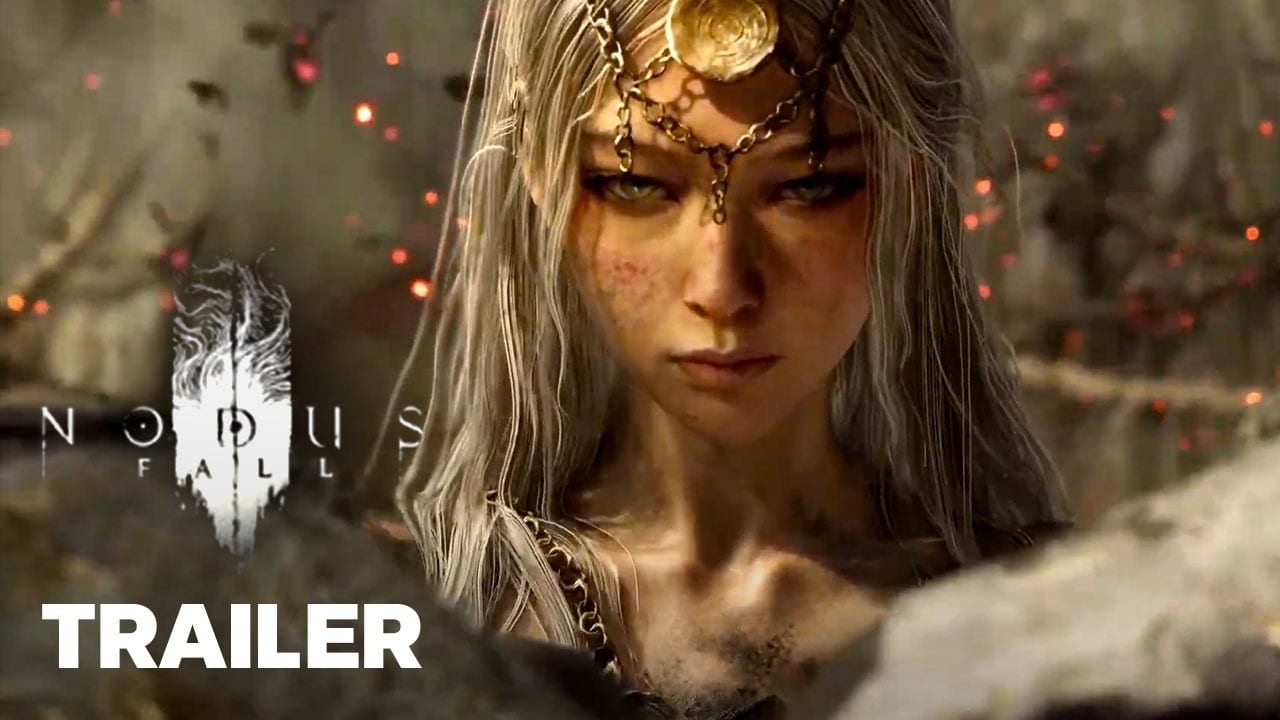
When Geoff Keighley opened gamescom's Opening Night Live this week, the first game the audience saw was not from Japan, Poland, or the United States. It was Nodusfall, a dark fantasy hunting game from miHoYo, and it was only the beginning. Of the more than 50 games shown across the two hour broadcast, 14 were made or published by Chinese studios, the most in the show's history, and the English outlet Game File put it bluntly: Chinese studios appeared far more often than those from any other country.
The night opened Chinese
Nodusfall was a statement in itself. Built in Unreal Engine 5, it trades miHoYo's signature anime look for gritty mythological co-op action closer to Elden Ring and Monster Hunter, rated 16 plus with global pre-registration already open. NetEase followed with a release date for Ananta, the free to play urban open world from its Naked Rain studio, landing January 15, 2027 on PC, PS5, and mobile. The footprint on the show floor matched the broadcast: Tencent ran a booth of more than 1,000 square meters and miHoYo took 660 of its own, while more than 60 Chinese companies exhibited in total, another record.
The smaller studios got their turn
The part we care about most happened at the edges of the show. The pre-show slots went to exactly the teams that never get them: Yimo, a creature collecting open world from FunPlus arriving September 16, and the Chinese mythology action RPG Old Gods. Showa American Story, the post-apocalyptic RPG about an America rebuilt on Japanese pop culture, returned to the international stage with a new trailer, and Chinese media keep calling it the wildest game out of China. Chengdu's Eclipse Glow Games brought Tides of Annihilation, an Arthurian inspired fantasy action game that also earned two gamescom award nominations, Most Epic and Best PlayStation Game. Meanwhile all five Best Mobile nominations went to Chinese teams, a first for the show.
What it means for indies
Western coverage of the night leaned on fatigue: too much dark fantasy, too many familiar IPs. That critique has some truth in it, and it lands differently when you notice that the freshness most often cited came from studios Western readers barely know. For small teams in China, this night is proof that the route to a global audience now runs through Cologne, not through moving abroad. We have spent months covering exactly this shift, and the show just made it official.